
Fight Winter: A Warm, Immune-Boosting Meal in 10 Minutes
This title is a powerful call to action that frames cooking as both a comforting ritual and a proactive health strategy. It directly addresses the seasonal need for warmth and resilience, promising a solution that is as swift as it is nourishing. The article will likely feature a recipe that combines cozy, hot elements with ingredients known for their vitamin-rich, immune-supporting properties—all achievable in a time frame that fits even the busiest, coldest day. It speaks to the desire for a practical "superfood" meal that serves as a delicious, tangible line of defense against winter's chill and demands.
2/7/20268 min read
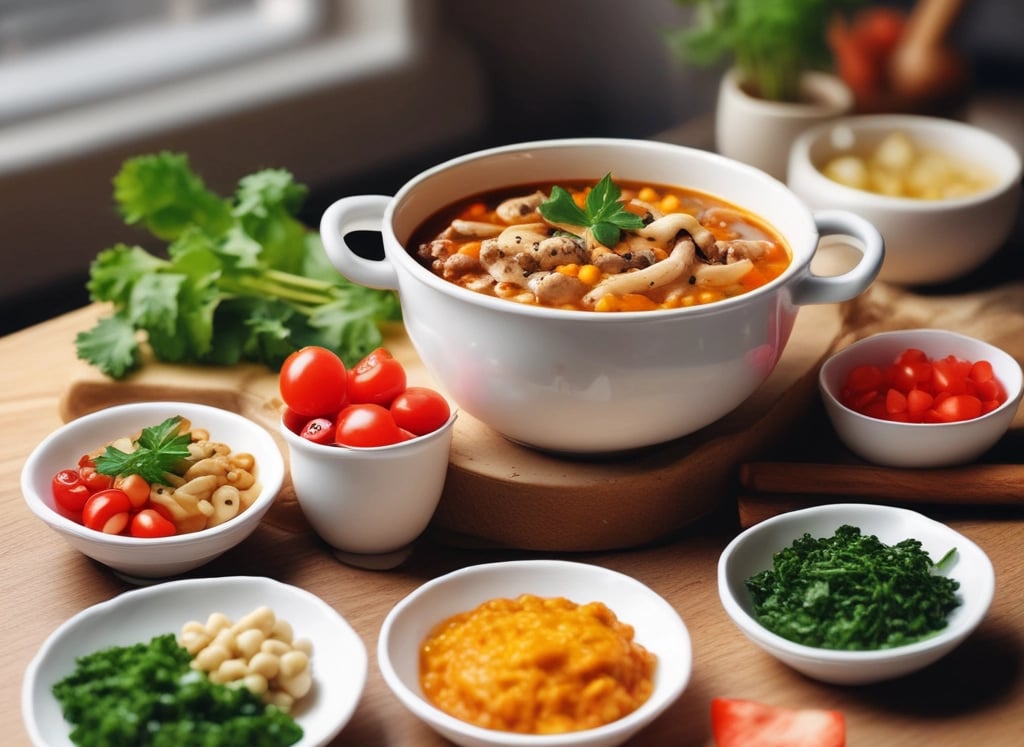
A warm meal that boosts immunity in 10 minutes
The Importance of Eating Well in Winter
As the temperatures drop during winter, it is not uncommon for individuals to experience various health challenges. The cold weather often leads to a decrease in physical activity, which can negatively impact overall health and well-being. Coupled with the increased likelihood of illnesses such as colds and flu, this seasonal shift makes it crucial to pay attention to our dietary habits. Nutrition plays a fundamental role in supporting the immune system, particularly during the winter months when the risk for illness rises.
Warm, wholesome meals become essential in fighting off the winter blues and strengthening the body’s defenses. Foods that are rich in vitamins and minerals, particularly those high in vitamin C, vitamin D, and zinc, contribute significantly to immune health. Incorporating ingredients like citrus fruits, leafy greens, and lean proteins into winter meals can provide the necessary nutrients that help maintain a robust immune response. Furthermore, consuming warm meals not only offers physical comfort but can also elevate mood, which is especially important during shorter days.
Moreover, hydration is often overlooked in the colder months, but it remains an integral aspect of maintaining health. It is easy to forget to drink enough fluids when temperatures are low. Warm beverages, such as herbal teas or broths, can aid in hydration while also providing additional nutritional benefits. These choices promote comfort and well-being, making it easier to withstand winter’s harsher elements.
In conclusion, prioritizing healthy eating habits during winter is essential for both physical and mental health. By choosing warm, nutritious meals, individuals can bolster their immune systems, enhance overall well-being, and enjoy the cold season to its fullest potential.
Essential Ingredients for Immune Support
In the quest to bolster immune health during the colder months, incorporating nutrient-rich ingredients is paramount. This section focuses on a selection of seasonal produce, proteins, and spices that work synergistically to enhance the body’s defenses against winter illnesses.
To start with, leafy greens such as spinach and kale are excellent sources of vitamins A, C, and K, along with various antioxidants. These nutrients are key players in immune function, helping to reduce inflammation while promoting the production of immune cells. Additionally, colorful vegetables like carrots and bell peppers offer beta-carotene, which the body converts into vitamin A, further enriching immune resilience.
Fruits such as oranges, lemons, and grapefruits are particularly beneficial during the winter months, as they are rich in vitamin C. This essential vitamin is known for its role in stimulating the production of white blood cells, which are critical for fighting infections. Moreover, berries, packed with antioxidants, provide protection against oxidative stress, strengthening immune response.
Proteins are also a crucial part of a winter meal aimed at immune support. Lean meats, poultry, and fish are rich in zinc, which helps in the development and function of immune cells. Plant-based proteins like lentils and chickpeas not only offer protein but also an array of nutrients including vitamins, minerals, and fiber, fostering overall health.
Lastly, spices such as garlic and ginger contribute to immune health with their anti-inflammatory and anti-microbial properties. Garlic, for instance, contains compounds that enhance immune function, while ginger may help in reducing the severity of respiratory infections.
Incorporating these essential ingredients into meals not only offers myriad health benefits but also creates wholesome dishes that effectively fight off winter ailments.
Quick Meal Prep Tips for Busy Days
Preparing nutritious meals in a short amount of time can be a challenge, especially for those with busy schedules. However, there are several strategies that individuals can implement to optimize their meal prep without compromising on health. One useful technique is batch cooking, which involves preparing large quantities of food at once. This allows for easy portioning and storage, making it simple to grab a meal anytime during the week. Consider dedicating a few hours each week to cook staples such as grains, legumes, and proteins, which can be easily incorporated into various dishes.
Another effective approach is pre-chopping vegetables. Taking the time to wash and cut vegetables in advance can save significant cooking time during busy days. Store these prepped vegetables in airtight containers in the refrigerator, ensuring they remain fresh and ready to use for quick stir-fries, salads, or soups. Additionally, consider using frozen vegetables, which are often just as nutritious as fresh options and can be added straight to meals without any preparation.
Utilizing convenient kitchen appliances can further enhance the efficiency of meal preparation. Slow cookers, pressure cookers, and multi-cookers can dramatically reduce cooking time while allowing for the preparation of hearty, immune-boosting meals. These appliances often come with various settings that enable users to make soups, stews, or roasted meats with minimal effort, freeing up time for other tasks.
Incorporating these practical strategies—batch cooking, pre-chopping vegetables, and leveraging the power of kitchen appliances—can transform the way busy individuals approach meal prep. With just a little organization and foresight, it becomes possible to create a warm, nourishing meal in just 10 minutes, making winter eating not only healthy but also convenient.
Recipe: The Ultimate Warm Winter Bowl
As winter arrives, a warm, nourishing meal becomes essential for both comfort and boosting your immune health. This Ultimate Warm Winter Bowl is not only quick to prepare, taking just 10 minutes, but it is also packed with nutrients that can help fortify your body against seasonal illnesses. Below is a detailed guide to preparing this delightful dish.
Begin by gathering the following ingredients: 1 cup of quinoa, 2 cups of vegetable broth, a variety of your choice of vegetables such as spinach, carrots, and bell peppers, and a source of protein like chickpeas or chicken. Additionally, consider adding spices such as turmeric and ginger, which are known for their anti-inflammatory properties, to enhance both flavor and health benefits.
Start by rinsing the quinoa under cold water to remove excess starch, which can create a gummy texture. In a medium saucepan, combine the rinsed quinoa and vegetable broth, bringing it to a gentle boil. Once boiling, reduce the heat to a simmer, cover the pot with a lid, and let it cook for approximately 15 minutes or until the liquid is fully absorbed and the quinoa is fluffy.
While the quinoa is cooking, prepare your vegetables. Chop them into bite-sized pieces. In a separate pan, heat a tablespoon of olive oil over medium heat. Add the vegetables, stirring occasionally until they have softened a little, typically around 5-7 minutes. If desired, incorporate cooked protein to this mix for added sustenance.
Once the quinoa and vegetables are ready, combine them in a large bowl. Add a pinch of salt and pepper, along with any additional spices according to your taste. For a finishing touch, drizzle with a squeeze of fresh lemon juice or a splash of soy sauce to enhance the flavors. Serve the Ultimate Warm Winter Bowl immediately for the best experience, relishing the warmth and nutrition it provides. This meal not only satisfies but also supports your immune system throughout the cold months.
Customization: Making It Your Own
One of the most appealing aspects of any meal is the flexibility to adapt it according to individual tastes and dietary restrictions. When preparing a warm, immune-boosting dish in just 10 minutes, personalizing the recipe allows you to maximize both enjoyment and nutritional benefits. Whether you're vegetarian, vegan, or following a gluten-free regimen, there are numerous substitutions and additions to make the dish cater to your preferences.
For those who prefer a vegetarian option, consider swapping out traditional meat-based proteins for hearty legumes such as chickpeas, lentils, or black beans. These alternatives not only provide substantial protein but also enhance the fiber content of your meal. For a vegan approach, ensure the stock or broth used is plant-based while also incorporating tofu or tempeh for an extra protein boost.
If you aim for a gluten-free variation, it's essential to choose ingredients that align with this restriction. Substitute wheat-based products with gluten-free grains like quinoa or brown rice, both of which offer a nutty flavor and complement the other ingredients well. Additionally, check labels on sauces and spices to ensure they are gluten-free, potentially enhancing the flavor profile of your dish without compromising your dietary needs.
Herbs and spices, such as turmeric, ginger, and garlic, can be mixed and matched to suit your preference and enhance the immune-boosting properties of your meal. Experimenting with different combinations not only can infuse your dish with new flavors but also can elevate the overall health benefits associated with various ingredients.
Finally, consider including seasonal vegetables that resonate with your taste buds while providing additional vitamins and minerals. A personal touch can transform a simple meal into a delightful experience while ensuring it aligns with your dietary lifestyle. Embrace the flexibility of this recipe to make it uniquely yours and reap both the joy of cooking and the health advantages it offers!
The Benefits of Mindful Eating
Mindful eating is an essential practice that promotes awareness and appreciation of food, significantly impacting our health and well-being, especially during the winter months. As we seek comfort in warm meals, being present during the eating process becomes even more valuable. By focusing on each bite, we can deepen our relationship with the food we consume, which ultimately enhances the overall dining experience.
One key benefit of mindful eating is improved digestion. When we eat mindfully, we tend to chew more thoroughly and slower, which can aid in the breakdown of food within the stomach. This process not only helps our bodies absorb nutrients efficiently but also reduces the risk of digestive issues such as bloating or discomfort. Additionally, being attentive while eating allows us to recognize satiety signals more readily, preventing overeating and promoting healthier portion control.
Practicing mindful eating also fosters a greater appreciation for the dishes we prepare and consume. In colder seasons, when we often gravitate toward hearty meals rich in flavor, taking time to savor each ingredient can enhance our satisfaction. This appreciation extends beyond taste; it includes recognition of the nourishment that food provides, helping to cultivate a healthier mindset towards eating.
Moreover, during this chilly time of year, engaging in mindful eating rituals can transform meal times into moments of relaxation and enjoyment. Incorporating mindful eating practices can enhance social interactions by encouraging deeper conversations during meals rather than being distracted by screens. As we prioritize quality over quantity, the value of each shared meal grows, fostering stronger connections with loved ones.
Conclusion: Embrace the Warmth and Health
As we have explored throughout this blog post, warm meals play a pivotal role in navigating the colder months, both in terms of comfort and health. During winter, the body craves nourishment that can boost the immune system and provide energy to combat the seasonal chill. By preparing meals that are not only warming but also packed with nutrients, individuals can significantly enhance their overall well-being.
The importance of incorporating ingredients that support immune health, such as fresh vegetables, lean proteins, and whole grains, cannot be overstated. Such ingredients work synergistically to fortify the body's defenses against winter ailments. Additionally, the act of creating a warm meal promotes mindfulness and encourages one to savor the flavors, thus making mealtime a delightful experience rather than just a necessity.
We encourage you to take action by trying the recipe outlined in this post. Experimenting with new flavors and combining various foods can foster creativity in the kitchen, leading to delightful discoveries. Moreover, sharing these creations with family and friends can enhance social connections, which are equally vital to mental health during these often isolating months.
In summary, embracing warm, nutrient-rich meals is an effective strategy for maintaining health during the winter season. As winter progresses, let each meal be an opportunity to nourish your body and soul. This proactive approach will not only provide comfort but also equip you with resilience against harsh weather and potential illnesses. So, don your apron, explore flavors, and take charge of your health this winter!
Join
Get fresh recipes and tips every week
Contact
Follow
© 2025. All rights reserved.