
A Small Mistake Can Ruin the Sauce: The Art of Cooking with Precision
"A small mistake can ruin the sauce...be careful not to make it." This title evokes the delicate and precise art of cooking, where patience and attention to detail are paramount. It suggests that the article will explore how a single misstep—whether in timing, measurement, or technique—can transform a masterpiece into a disappointment. Metaphorically, it speaks to broader lessons about craftsmanship, focus, and the high stakes of seemingly minor actions, promising readers a blend of practical advice and reflective insight.
12/30/20258 min read
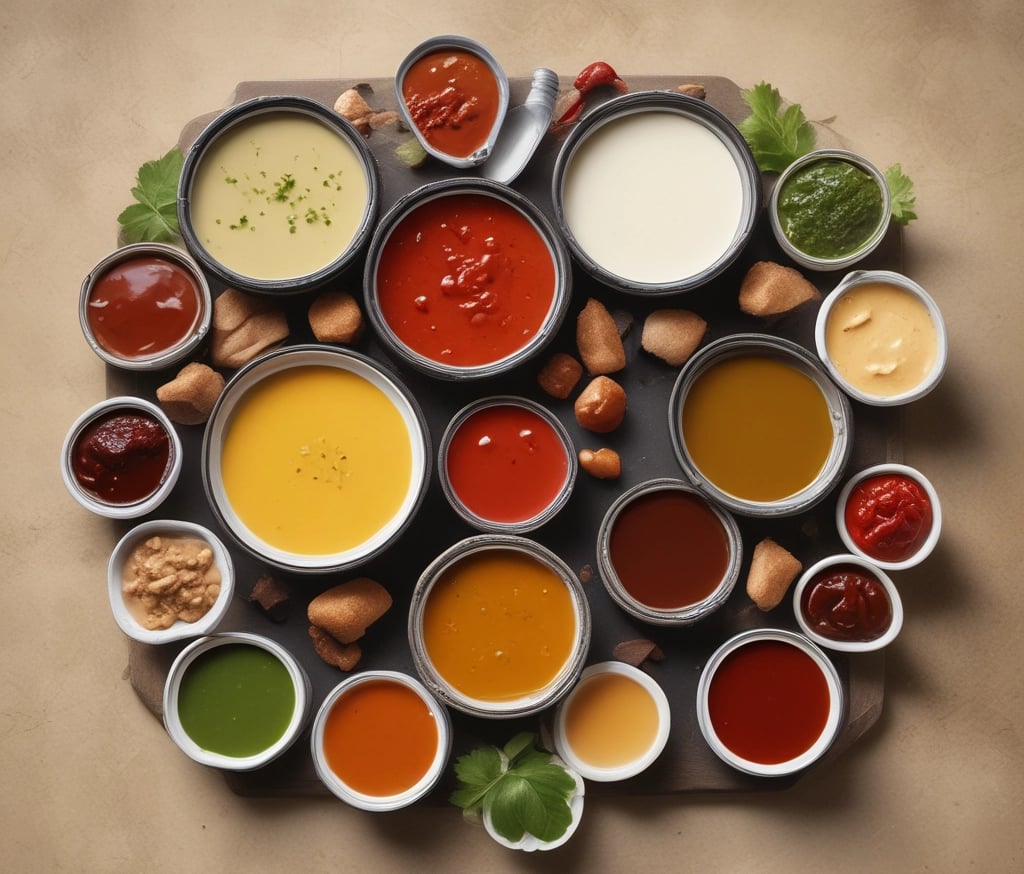
"A small mistake can ruin the sauce...be careful not to make it."
Introduction: The Importance of Detail in Cooking
Cooking is often perceived as a basic task, yet it embodies artistry that goes beyond mere preparation of meals. The intricate process of transforming raw ingredients into a delicious dish necessitates a high degree of precision, much like a craftsman working meticulously to create a masterpiece. Each element in cooking plays a vital role; a small error can drastically alter the final output, leading to a dish that might not meet expectations. This principle underlines the importance of detail in cooking.
Every ingredient, measurement, and technique contributes to the overall flavor and presentation of a dish. For instance, adding a pinch too much salt can transform a savory sauce into an unpalatable concoction, while omitting a key herb can diminish the intended aroma or complexity. Just as an artist pays careful attention to brush strokes and color palettes, a cook must be mindful of every decision made in the kitchen. This careful consideration is essential for mastering the culinary arts.
The nuances of taste, texture, and aroma must be achieved through precise actions. Achieving perfection in cooking does not rely solely on experience but necessitates an understanding of the science behind the ingredients. Each method employed has its own set of rules and requirements, and deviations from these can yield undesirable results. The delicate interplay of time, temperature, and technique underscores the importance of detail in each cooking endeavor.
As we delve deeper into the art of cooking, we will explore how the commitment to precision can enhance culinary skills. Whether a seasoned chef or an enthusiastic home cook, recognizing and embracing this principle can elevate the cooking experience. Attention to detail not only fosters skill development but also cultivates a deeper appreciation for the culinary arts.
Common Mistakes That Can Ruin Your Sauce
Cooking with precision is essential when it comes to crafting a sauce that complements your dish. However, there are several common mistakes that can lead to disastrous outcomes. One of the principal errors is improper seasoning. Many cooks tend to underestimate the role of salt and other spices in enhancing flavors. A sauce that is under-seasoned can taste bland, while over-seasoning can mask the natural tastes of the ingredients. It is crucial to taste your sauce throughout the cooking process and adjust the seasoning accordingly.
Another frequent issue arises from incorrect ingredient ratios. Each component in a sauce contributes to its texture, flavor, and overall consistency. For example, too much liquid may lead to a watery sauce, while an excess of thickening agents can produce an overly dense mixture. Understanding the balance of ingredients is vital. A precise recipe provides a good reference point, but experienced cooks also learn to adjust based on the specific characteristics of their ingredients.
Temperature control during the cooking process is equally important. Cooking sauces at too high a temperature can cause ingredients to scorch and develop undesirable flavors. Conversely, a low cooking temperature might not allow the ingredients to meld effectively, resulting in a sauce that lacks depth. To achieve a harmonious blend of flavors, maintaining a steady simmer and monitoring the temperature throughout the cooking process is essential.
In summary, avoiding these common mistakes during sauce preparation can significantly elevate the quality of your final dish. From proper seasoning and ingredient ratios to vigilant temperature control, each aspect plays a vital role in crafting an exceptional sauce. Being aware of these pitfalls will help you refine your skills and create sauces that truly enhance your culinary creations.
The Science Behind Sauce-Making
Understanding the science behind sauce-making is crucial for any culinary enthusiast aiming for precision in flavor and texture. The foundation of a great sauce lies in three primary scientific principles: emulsification, reduction, and flavor balancing. Each of these processes plays a significant role in the transformation of simple ingredients into a complex and refined sauce.
Emulsification refers to the process of combining two substances that typically do not mix, such as oil and water. In sauce-making, this is often achieved by incorporating an emulsifier, such as egg yolks or mustard. This technique not only helps create a stable mixture but also contributes to a rich and creamy texture that elevates the sauce. An understanding of the temperatures and techniques involved in emulsification can lead to smoother sauces that cling beautifully to proteins or vegetables.
Reduction, on the other hand, is a process that concentrates flavors by evaporating liquid through heating. This is commonly used in creating sauces where the goal is to develop depth and complexity of flavor. As the sauce reduces, the water content decreases, intensifying the remaining flavors. The balance achieved through reduction is essential; poorly managed, it can lead to dishes that are either overly salty or bland. Proper timing and attention to heat make a significant difference in achieving the right consistency and flavor balance.
Finally, flavor balancing is the art of ensuring that all components of the sauce work harmoniously together. Factors such as acidity, sweetness, saltiness, and bitterness must be carefully calibrated. Utilizing fresh herbs, spices, and acid (like vinegar or citrus) can brighten a sauce, making it more appealing. Understanding how these elements interact will enable cooks to create sauces that are not only flavorful but also well-rounded.
Techniques to Master for Perfect Sauces
Creating the perfect sauce is an art that requires a blend of technical skills and an understanding of flavors. To achieve exceptional results, several fundamental techniques should be mastered. One of the primary techniques is simmering, which involves cooking a sauce gently over low heat. This method enables the flavors to develop slowly while preventing the sauce from boiling too vigorously, which can lead to undesirable thickening or burning. For optimal results, it is crucial to maintain a consistent simmer, adjusting the heat as necessary based on the ingredients used and desired sauce consistency.
Another essential technique is whisking, which is crucial for emulsifying sauces such as vinaigrettes or hollandaise. Use a balloon whisk and incorporate the ingredients vigorously to create a stable emulsion, ensuring that oils and liquids combine seamlessly. Whisking not only improves texture but also introduces air into the sauce, giving it a light and airy quality. Start by whisking the liquid ingredients together before gradually adding oils or other fats to achieve the desired consistency.
Tasting is fundamental throughout the sauce-making process, allowing for adjustments rather than just finalizing the flavor at the end. Regularly tasting your sauce as it simmers helps to gauge seasoning levels and flavor balance. Use a clean spoon each time to prevent contamination and ensure that you develop the desired profile. Depending on the taste, it may be necessary to add salt, acid, or sweetness to achieve harmony.
Incorporating these techniques into your sauce-making will lead to culinary mastery. By learning to simmer correctly, whisk efficiently, and taste thoughtfully, you can enhance your overall cooking skills and create sauces that not only elevate your dishes but also showcase your culinary precision.
The Role of Ingredients in Sauce Perfection
The foundation of any great sauce lies in the quality and selection of its ingredients. Each component contributes uniquely to the overall flavor profile, enhancing the sauce's complexity and appeal. When it comes to crafting sauces, the distinction between fresh and stale ingredients can significantly impact the final outcome. Fresh ingredients not only have better flavor but also carry important nutrients that can elevate a dish.
For example, using fresh herbs such as basil, parsley, or thyme can bring vibrant flavors and aromatics that dried alternatives simply cannot replicate. When integrating herbs into sauces, it is advisable to add them towards the end of cooking to preserve their essential oils and ensure that their fresh essence shines through. Conversely, stale or dried herbs may lack potency, resulting in a sauce that feels flat and uninviting.
Similarly, the selection of vegetables in a sauce can dramatically alter the taste. Using ripe, in-season tomatoes versus canned or underripe ones can lead to a marked difference between a dull sauce and one that bursts with flavor. This principle extends to other ingredients as well; for instance, the choice between quality olive oil and a lesser grade can profoundly influence the aroma and mouthfeel of the sauce.
Furthermore, an understanding of how different ingredients work together is crucial in the art of sauce making. A well-executed sauce often requires balancing different elements such as acidity, sweetness, and umami. For instance, the right amount of acidity from vinegar or lemon juice can brighten a sauce, while a hint of sugar can round off the edges for a harmonious blend.
In conclusion, choosing high-quality, fresh ingredients is paramount in the quest for sauce perfection. By investing time in selecting the right components, home cooks can significantly enhance their culinary creations, leading to sauces that are not only delicious but also memorable.
Mindful Cooking: The Importance of Focus and Patience
Cooking is an intricate art that involves not only the physical act of combining ingredients but also a mental engagement that can significantly affect the outcome. Mindfulness in cooking refers to the practice of being fully present during the cooking process, which can enhance both the flavor and presentation of the dish. When individuals focus on the various stages of cooking, from preparation to plating, they are more likely to notice details that can elevate their culinary creations. This attention to detail is particularly vital when working with sauces, where even a small oversight can lead to undesired results.
In addition to focus, patience plays a crucial role in successful cooking. Certain recipes call for slow cooking or allowing flavors to meld over time, requiring the cook to resist the urge to rush through these processes. Being patient ensures that each ingredient has the opportunity to contribute its full depth of flavor to the dish. For instance, a sauce that simmers too briefly might lack the complexity that comes from prolonged cooking. Furthermore, patience aids in the practice of honing one’s skills, as repetitive tasks such as chopping and stirring benefit from a calm, measured approach.
To cultivate mindfulness and patience in the kitchen, individuals can adopt specific strategies. Taking the time to plan meals and prep ingredients before commencing cooking minimizes distractions. Moreover, engaging in simple breathing exercises before starting can ground one's thoughts, creating a focused mindset. As one becomes aware of the sensations involved in cooking—from the texture of ingredients to the aromas released—this mindfulness allows for a deeper connection to the process. By fostering these qualities, home cooks can enhance both their enjoyment of cooking and their ability to create exquisite dishes that reflect their passion and attention to detail.
Conclusion: Learning from Mistakes to Improve Your Craft
Cooking is as much about learning as it is about creating. Each dish provides an opportunity to hone skills and refine techniques, but it is essential to recognize that mistakes will inevitably occur along the journey. Every chef, from novice to expert, has experienced the frustration of a sauce that didn't turn out as planned or an ingredient that was inadvertently omitted. However, these errors should not be viewed merely as setbacks; rather, they are valuable lessons that can lead to greater culinary prowess.
Adopting a growth mindset in the kitchen encourages chefs to embrace their mistakes as integral stepping stones toward mastery. For instance, when a sauce curdles or a bake falls flat, it is crucial to analyze what went wrong. Was the heat too high? Were the ingredients not measured accurately? By dissecting these errors, cooks can prevent repeat occurrences and improve their recipes. In this light, mistakes serve as educators, imparting insights that are often far more impactful than any formal lesson.
Furthermore, striving for perfection in cooking can be counterproductive. It's important to remember that some of the best culinary creations arise from experimentation and a willingness to take risks. Each error offers a moment of reflection and the possibility for innovation. As culinary enthusiasts continue their journey, they should remain open to the adventure of exploration, willing to try new approaches to traditional recipes. This mindset not only enhances cooking skills but also fosters a deeper appreciation for the art of food preparation.
Ultimately, every small mistake made in the kitchen is an opportunity to grow, learn, and excel. Embracing this philosophy will not only build confidence but also cultivate a resilient spirit in pursuit of culinary greatness, leading to flavorful dishes that reflect the chef's journey toward expertise.
Join
Get fresh recipes and tips every week
Contact
Follow
© 2025. All rights reserved.