
No Time? 5 Quick Recipes That Don’t Require Culinary Skills
This title directly addresses two major modern hurdles in home cooking: a lack of time and a lack of confidence in the kitchen. It’s a promise of efficiency and accessibility, offering a curated solution in the form of five straightforward recipes. The article will cater to complete beginners and busy individuals, emphasizing simplicity, minimal ingredients, and foolproof methods. It positions home-cooked meals as an achievable goal for anyone, transforming perceived obstacles into an easy, actionable plan.
1/6/20267 min read
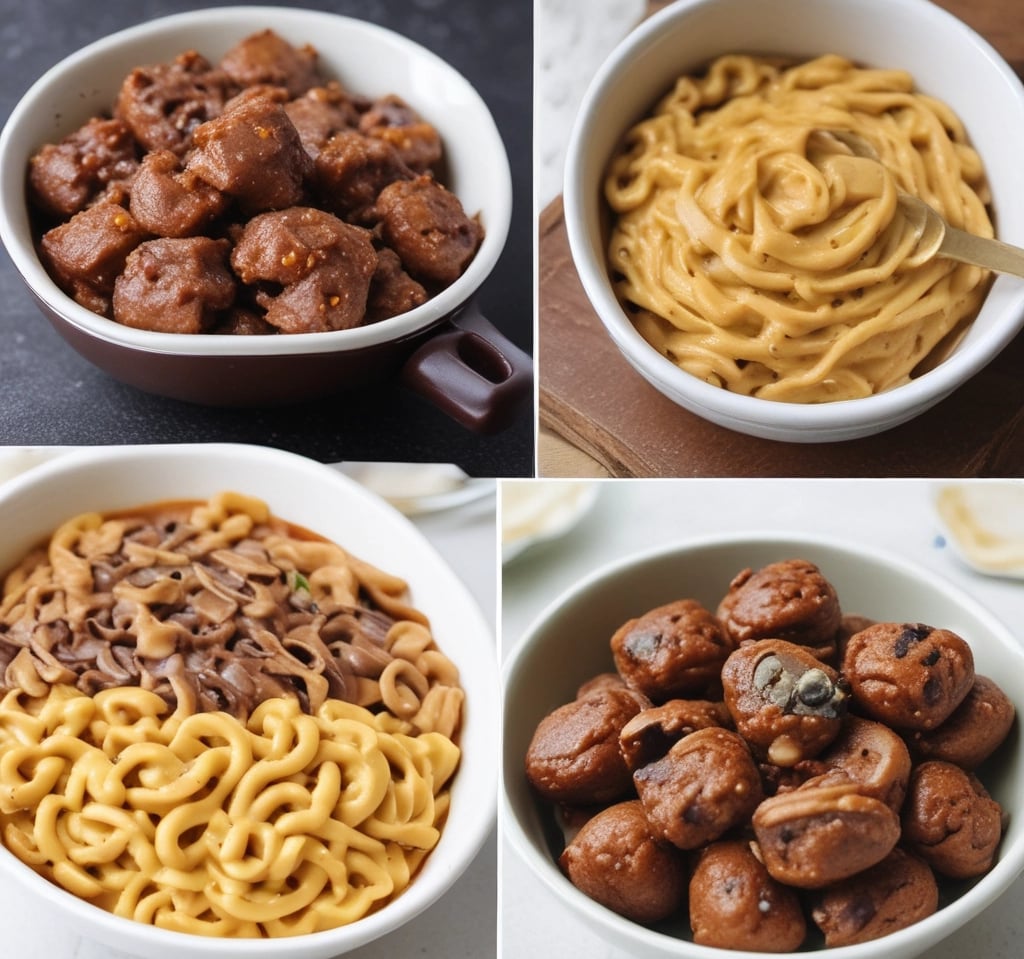
" 5 quick recipes that don't require culinary skills "
The Modern Cooking Conundrum
In recent times, the landscape of cooking has changed dramatically. As our lives grow increasingly busy, many individuals find themselves struggling to carve out time for meal preparation. The fast-paced nature of modern life often leads to reliance on takeout or pre-packaged meals, eroding the rewarding experience of home cooking. This shift has contributed to a multitude of concerns, including health and nutrition as well as culinary skills. Unfortunately, many feel intimidated by the idea of cooking, believing they lack the necessary expertise to create even the simplest meals.
For some, the kitchen seems like an uninviting place where complex recipes and advanced techniques reign supreme. This perception discourages many from attempting to prepare their own meals, perpetuating a cycle of convenience over creativity. In a world where instant gratification is the norm, the thought of spending an hour or more whipping up a home-cooked dish can feel prohibitive. The barriers to entry appear only to increase as people feel overwhelmed by the plethora of cooking resources available, often not knowing where to start.
However, it does not have to be this way. We can address the culinary intimidation and time constraints by adopting a practical approach to cooking. This blog post introduces five quick recipes that are specifically designed for individuals with limited time and those who may not have extensive culinary skills. These recipes prove that it is indeed possible to create delicious and satisfying meals without needing to become a gourmet chef.
What Makes a Recipe Quick and Easy?
A recipe is categorized as 'quick' and 'easy' based on several key elements that streamline the cooking process. Firstly, preparation time is a crucial factor; quick recipes typically require minimal time for ingredient preparation and cooking. For instance, recipes that take 30 minutes or less from start to finish fall into this category. Such efficiency caters to individuals with busy lifestyles or those seeking to minimize their time in the kitchen.
Secondly, the number of ingredients plays a significant role in defining the simplicity of a recipe. Quick and easy recipes often contain a limited list of ingredients, generally ranging from three to five key items. This not only reduces the complexity of the cooking process but also ensures that the necessary ingredients are readily available in most households. Additionally, fewer ingredients can lead to less shopping time and reduced food waste.
The simplicity of the cooking method further emphasizes the accessibility of quick recipes. Techniques such as boiling, sautéing, or assembling are more common in quick dishes, as they do not require extensive culinary skills or specialized tools. Recipes that can be prepared in one pot or dish are particularly appealing, as they minimize clean-up time and effort required after cooking.
Moreover, quick recipes often emphasize minimal fuss and stress, making them suitable for beginners or those who may be intimidated by traditional cooking. The combination of short preparation times, limited ingredients, and straightforward cooking techniques creates an environment where anyone can successfully prepare delicious meals without a steep learning curve. Therefore, the essence of quick and easy recipes lies in their efficiency and the accessibility they offer to people at different skill levels.
Essential Ingredients for Quick Cooking
When time is of the essence, having a well-stocked kitchen with essential ingredients can significantly simplify the cooking process. The right staples can help you whip up quick dishes without requiring advanced culinary skills. Here, we outline a selection of versatile ingredients that should be part of any home cook's pantry.
First and foremost, grains like rice, quinoa, and pasta serve as excellent bases for a variety of meals. They are not only filling but also cook relatively quickly, allowing for minimal preparation time. Canned goods such as beans and tomatoes are invaluable pantry staples that add flavor and nutrition to quick meals. They can be combined to create hearty soups or stews in a matter of minutes.
Next, consider fresh vegetables that are easy to prepare and packed with nutrients. Items like bell peppers, zucchini, and spinach can be quickly sliced, sautéed, or added to salads. Incorporating fresh produce not only enhances the taste but also promotes a healthier diet. Storing pre-washed greens can save extra time during meal prep.
Protein sources such as eggs, rotisserie chicken, or canned fish are also essential for creating balanced meals without much effort. These ingredients can be combined with other staples for a variety of dishes. Herbs like parsley or basil, whether fresh or dried, elevate the flavor profile of simple recipes and are great finishing touches. Having a selection of spices on hand allows you to quickly adapt any dish to your taste preferences.
By maintaining a well-curated array of these essential ingredients, you can speed up the cooking process dramatically, enabling you to prepare tasty meals even on your busiest days.
One-Pan Chicken and Vegetables
The first recipe in this collection is a simple and flavorful one-pan chicken and vegetables dish. This recipe is perfect for those who are short on time and culinary expertise, as it requires minimal prep and cooking steps while still delivering a satisfying meal.
To prepare this dish, you will need the following ingredients: 4 boneless, skinless chicken breasts, 2 cups of assorted vegetables such as bell peppers, zucchini, and carrots, 2 tablespoons of olive oil, 1 teaspoon of garlic powder, 1 teaspoon of onion powder, salt, and pepper according to taste. Feel free to adjust the vegetable selection based on what you have available, making this recipe versatile and accommodating.
Begin by preheating your oven to 400°F (200°C). While the oven is heating up, take a large baking sheet and arrange the chicken breasts in the center. Surround the chicken with your choice of chopped vegetables. Drizzle the olive oil over the chicken and vegetables, ensuring an even coating. Season everything with garlic powder, onion powder, salt, and pepper. This simple seasoning will enhance the flavors and offer a delicious outcome without any complex preparation.
Once seasoned, give everything a gentle toss to coat the vegetables and chicken thoroughly, ensuring an even distribution of spices. Then, place the baking sheet in the preheated oven and bake for approximately 25–30 minutes, or until the chicken reaches an internal temperature of 165°F (75°C) and the vegetables are tender.
This one-pan chicken and vegetables recipe is not only quick and easy to prepare but also customizable, allowing for different tastes and preferences. It exemplifies how enjoyable cooking can be, even for those pressed for time.
Quick Pasta with Garlic and Olive Oil
Quick Pasta with Garlic and Olive Oil is a delightful dish that can be prepared in a matter of minutes, making it a perfect option for those with limited time or culinary experience. To begin, you will need 200 grams of spaghetti or your choice of pasta, 4 tablespoons of extra virgin olive oil, 4 cloves of garlic (finely sliced), and a pinch of red pepper flakes. Additionally, fresh parsley and grated Parmesan cheese are optional but recommended for added flavor.
Start by bringing a large pot of salted water to a boil. Once the water is boiling, add the pasta and cook according to the package instructions, usually around 8-10 minutes for al dente. While the pasta cooks, heat the olive oil in a large skillet over medium heat. When the oil is warm, add the sliced garlic and red pepper flakes. Sauté gently for about 2-3 minutes, taking care not to let the garlic burn. A hint of golden color will indicate that it is ready, releasing its wonderful aroma.
Once the pasta is cooked, reserve about half a cup of the pasta water and then drain the remaining water. Add the drained pasta directly into the skillet with the garlic oil mixture. Toss the pasta in the garlic and oil to coat thoroughly, adding a splash of the reserved pasta water to create a light sauce, which helps to bind the flavors together. Continue tossing for an additional minute to ensure everything is mixed well.
If desired, finish your pasta dish by adding chopped fresh parsley and a generous sprinkling of grated Parmesan cheese. These additions provide a burst of freshness and richness to the pasta. Serve immediately, and enjoy this quick yet satisfying meal that requires no complicated cooking techniques!
Microwave Mug Omelet
The Microwave Mug Omelet is an ideal choice for busy individuals seeking a quick yet nutritious meal option. This recipe offers a delightful way to prepare an omelet in just a few minutes, all within the convenience of a microwave. To begin, select a microwave-safe mug and gather your desired ingredients.
Basic ingredients for the omelet typically include two large eggs, a splash of milk, and a pinch of salt and pepper. You may personalize your omelet by adding various toppings such as diced vegetables, cheese, or cooked meats, depending on your preference. This versatility allows you to create a breakfast tailored to your taste without the need for extensive culinary skills.
To begin, crack the eggs into the mug, followed by the milk, salt, and pepper. Whisk the mixture using a fork or small whisk until combined thoroughly. Next, incorporate any additional ingredients, being careful not to overcrowd the mug, as the mixture will expand while cooking. Place the mug in the microwave and cook on high for approximately 1 to 1.5 minutes. Keep an eye on the omelet as cooking times may vary based on the power of your microwave.
After the designated cooking time, carefully remove the mug from the microwave—beware, it can be hot! Assess the omelet's consistency; if it appears slightly undercooked, you may put it back in the microwave for an additional 10-15 seconds. Once fully cooked, let it sit for a minute to cool slightly, then dig in with a fork.
This Microwave Mug Omelet serves as a fantastic quick meal for breakfast or even a filling snack throughout the day. By leveraging your microwave’s capabilities, you can enjoy a delicious, protein-packed meal with minimal effort.
Conclusion: Embracing Quick Cooking
In today’s fast-paced world, the idea of preparing a home-cooked meal can often feel overwhelming, especially for those who believe that culinary skills are a prerequisite for success in the kitchen. However, the recipes presented throughout this blog post demonstrate that cooking can be both accessible and enjoyable, regardless of one’s experience level. The quick recipes outlined are specifically designed to require minimal preparation and cooking time while maximizing flavor and nutrition. This ensures that even the busiest individuals can engage in the rewarding practice of home cooking.
Embracing quick cooking does not only save time but also fosters a sense of creativity and satisfaction. By taking the time to prepare meals at home, individuals are more likely to make healthier choices and develop a more profound appreciation for the food they consume. The recipes mentioned are versatile and can easily be tailored to accommodate personal preferences or dietary restrictions, affirming that anyone can find joy in cooking.
Additionally, it is essential to recognize that cooking is a skill that improves with practice. As one gains confidence by making simple dishes, they can gradually experiment with more complex recipes. The comfort of knowing that delicious meals can be created quickly with minimal effort may encourage more frequent cooking sessions. Ultimately, the goal is to remove the barriers to cooking, allowing everyone to enjoy the benefits of home-cooked meals.
In summary, anyone can learn to cook with just a little guidance, making it possible to enjoy flavorful, nutritious meals at home even on a tight schedule. By trying out the provided recipes, readers can discover the simplicity and rewards of quick cooking, transforming their kitchen experience into one that is both efficient and gratifying.
Join
Get fresh recipes and tips every week
Contact
Follow
© 2025. All rights reserved.